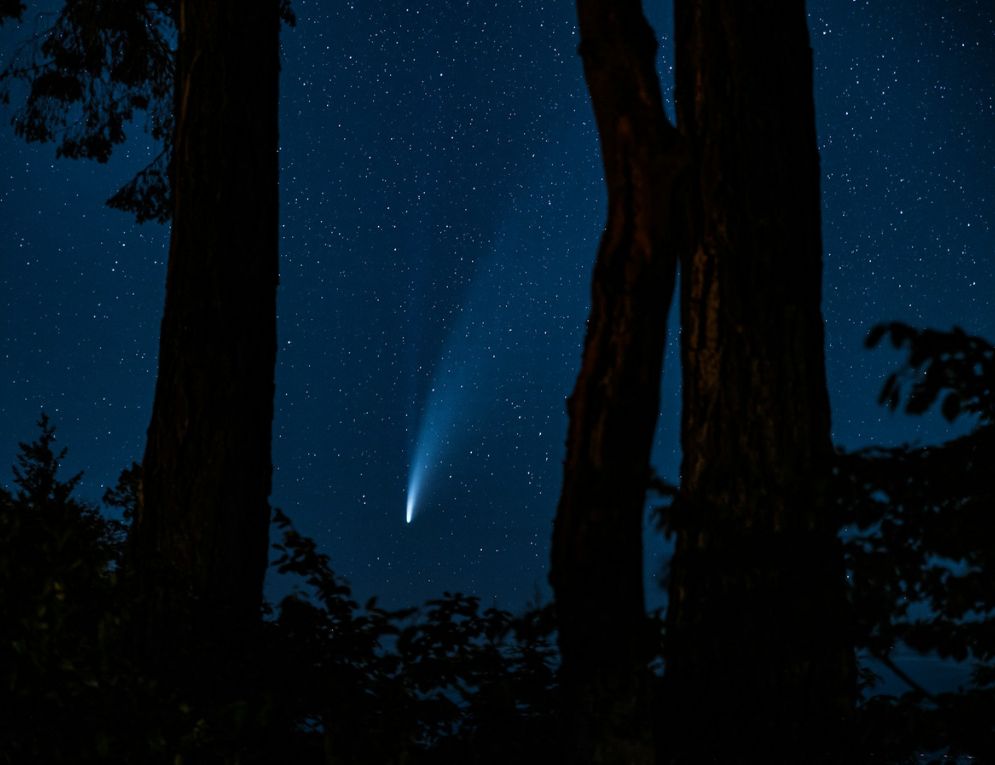
In this article, our focus is to cover all the most important astronomical events of 2026, including eclipses, meteor showers, and planetary alignments. Each event includes where it is best visible, ideal viewing time, and recommended equipment. Keep Reading
APRIL 22–23 – Lyrids Meteor Shower
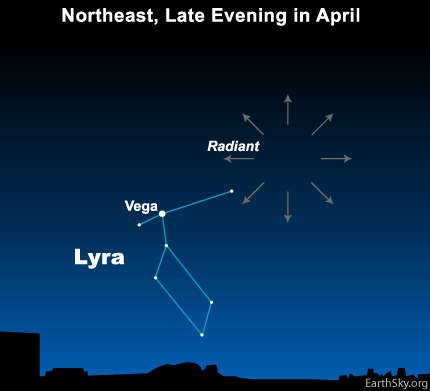
Best seen in the Northern Hemisphere, especially in the USA, Canada, UK, and Japan. Peak viewing occurs after midnight until dawn. No telescope needed; dark skies are essential.
MAY 5–6 – Eta Aquarids Meteor Shower
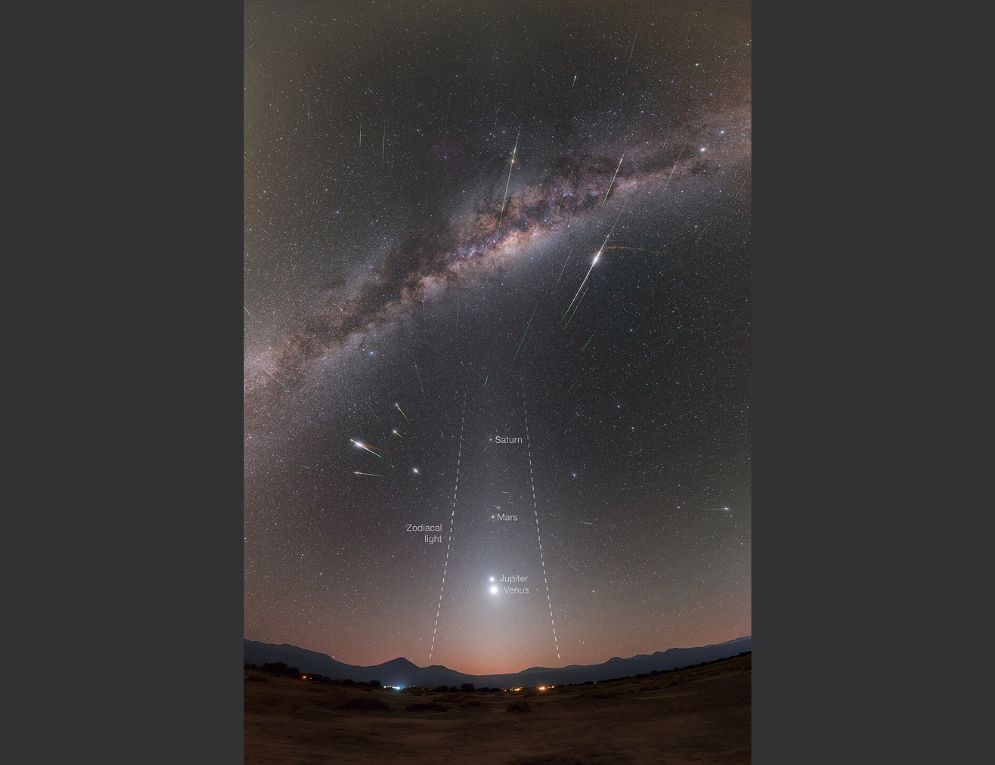
Best visible in the Southern Hemisphere including Australia and South America. Northern Hemisphere sees a moderate display. Best viewed just before dawn with no equipment required.
MAY 31 – Blue Moon
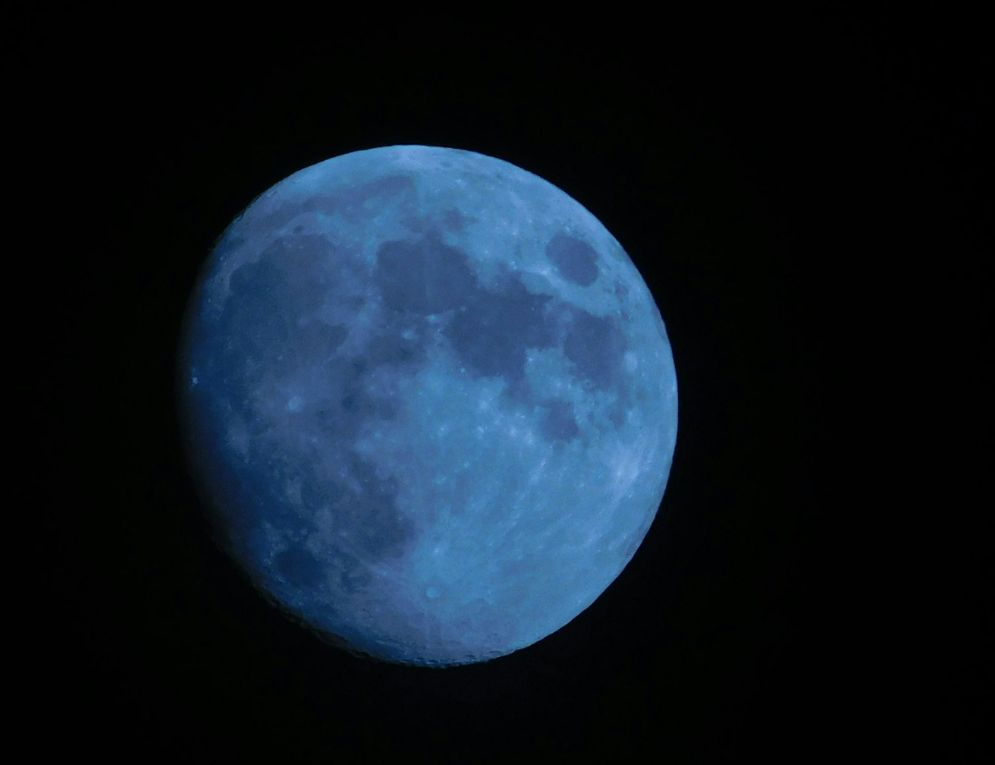
Visible worldwide. Best enjoyed during moonrise at sunset for dramatic effect. No equipment needed.
JUNE 9 – Venus–Jupiter Conjunction
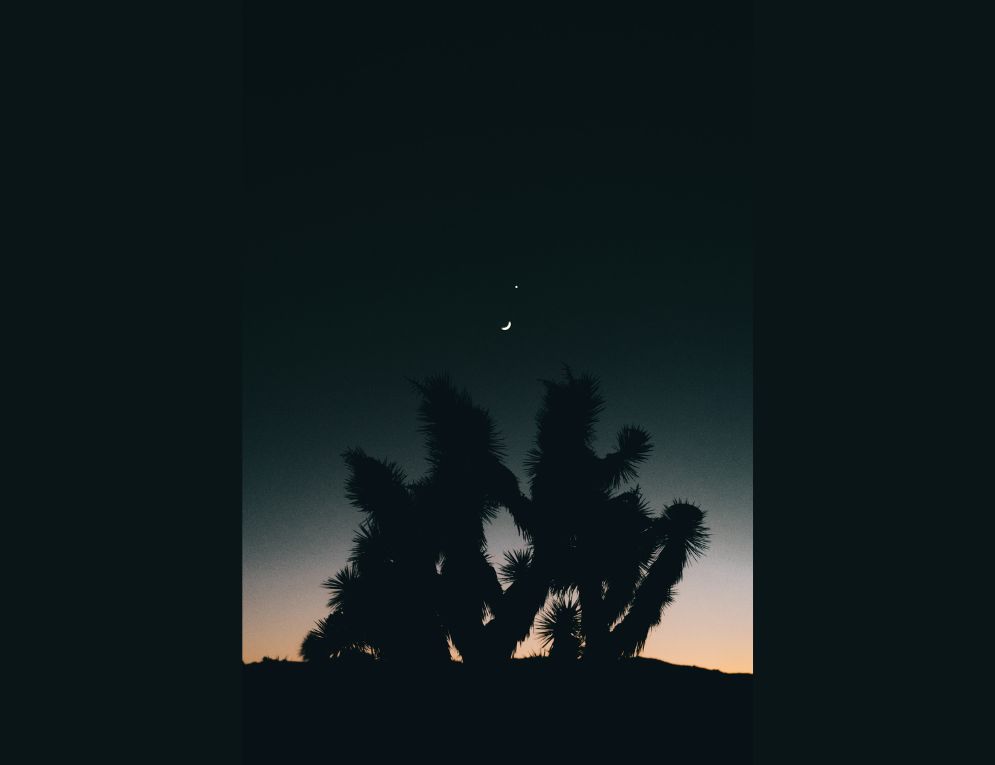
Visible globally after sunset in the western sky. Best seen from areas with clear horizons. Naked-eye visible, binoculars recommended.
JUNE 21 – June Solstice

Longest day in the Northern Hemisphere. Best experienced in high-latitude countries like Norway and Canada. Ideal for daylight observation.
JULY 28–29 – Delta Aquarids Meteor Shower
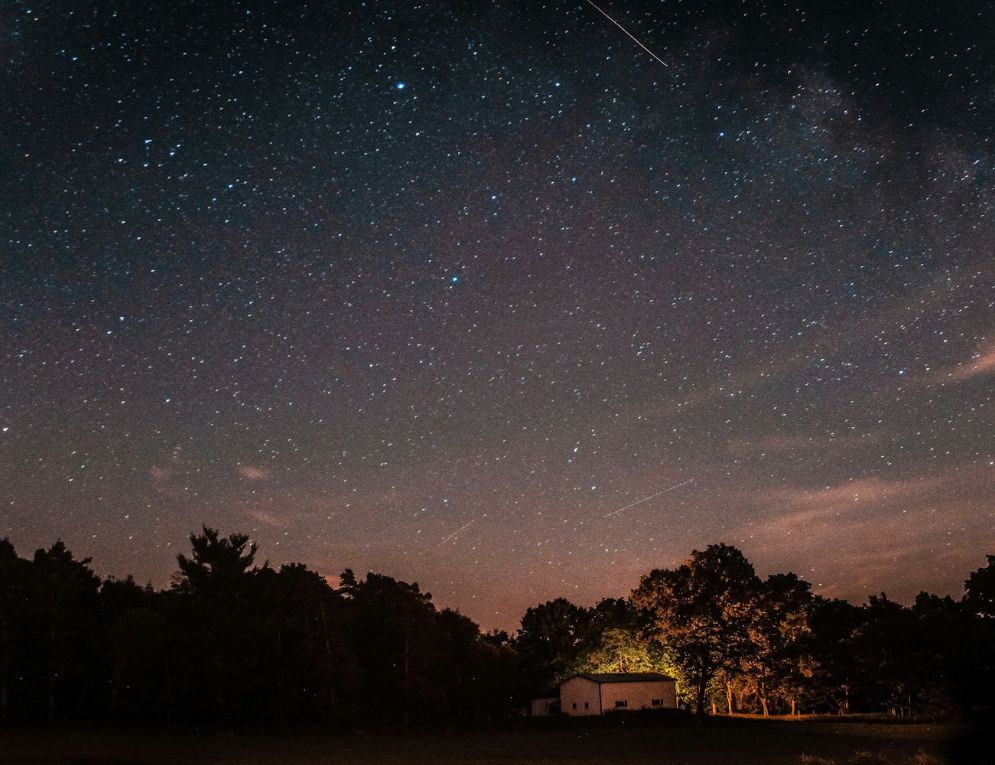
Best viewed from the Southern Hemisphere, especially Australia and southern Africa. Peak viewing after midnight under dark skies.
AUGUST 12 – Total Solar Eclipse
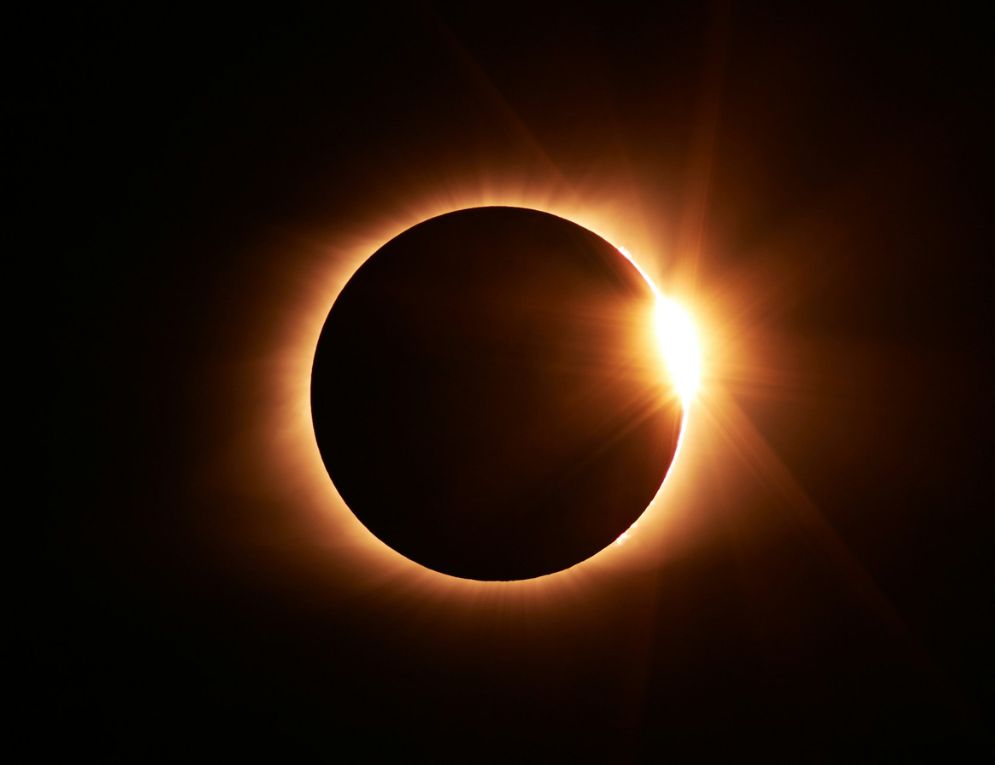
Best visible from Greenland, Iceland, Spain, and northern Russia. Occurs during daytime. Requires certified solar viewing glasses for safe observation.
AUGUST 12–13 – Perseid Meteor Shower
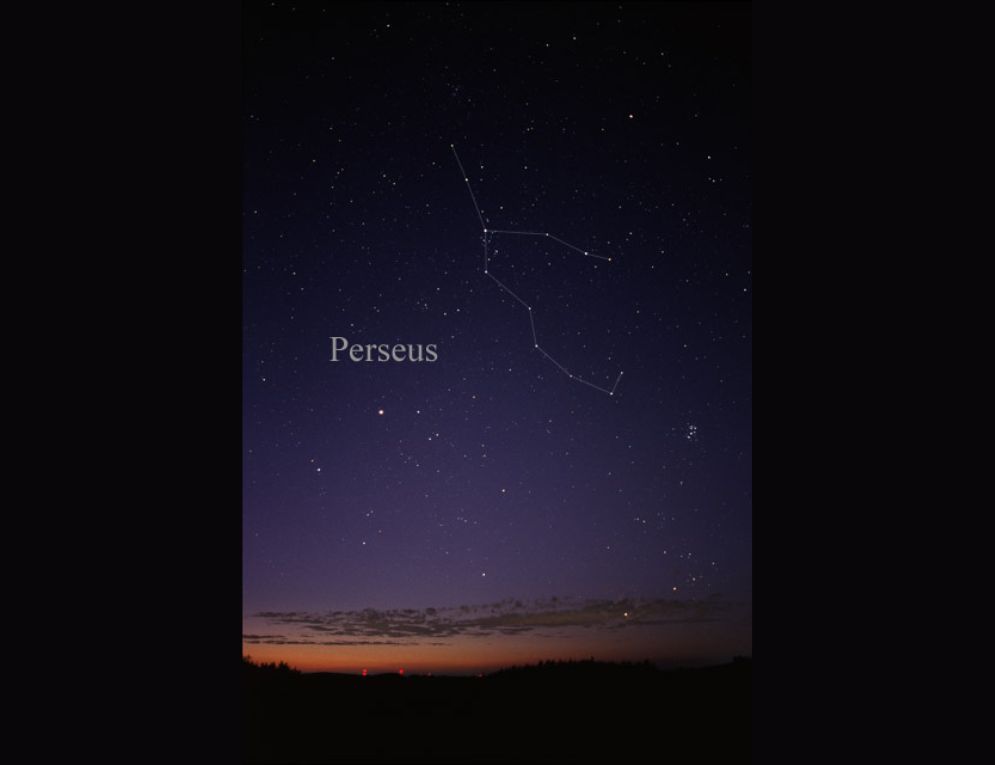
One of the best meteor showers, visible in the Northern Hemisphere. Peak after midnight with up to 100 meteors per hour under dark skies.
AUGUST 28 – Partial Lunar Eclipse
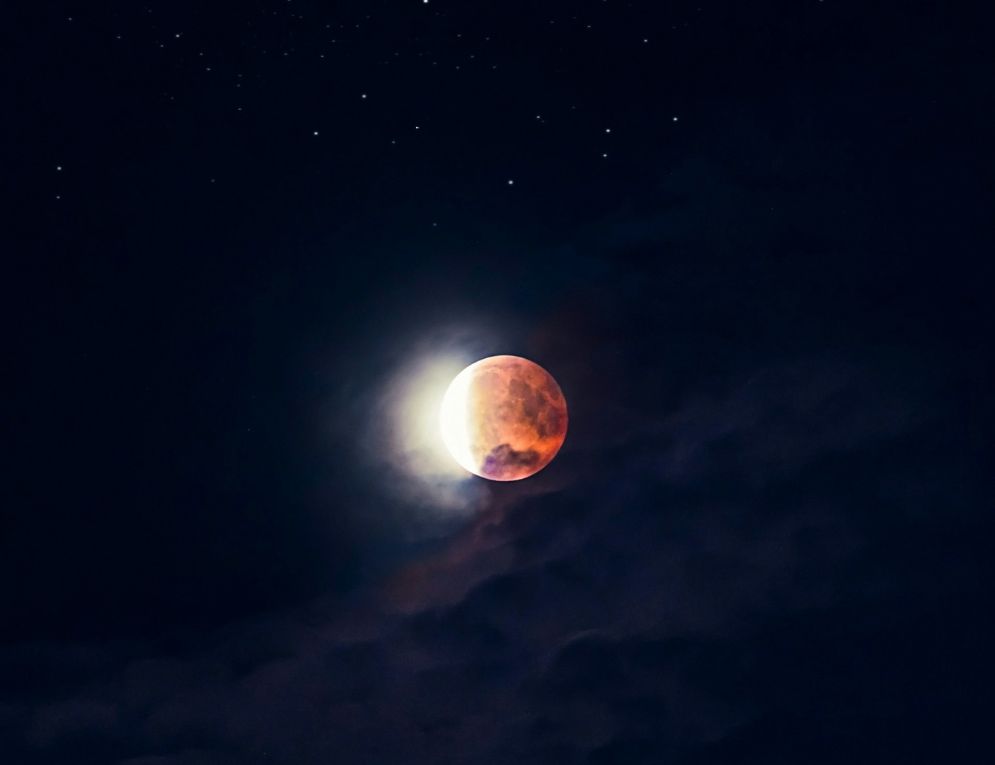
Visible across Europe, Africa, and Asia. Occurs during evening or night. Naked-eye visible.
SEPTEMBER – Neptune at Opposition
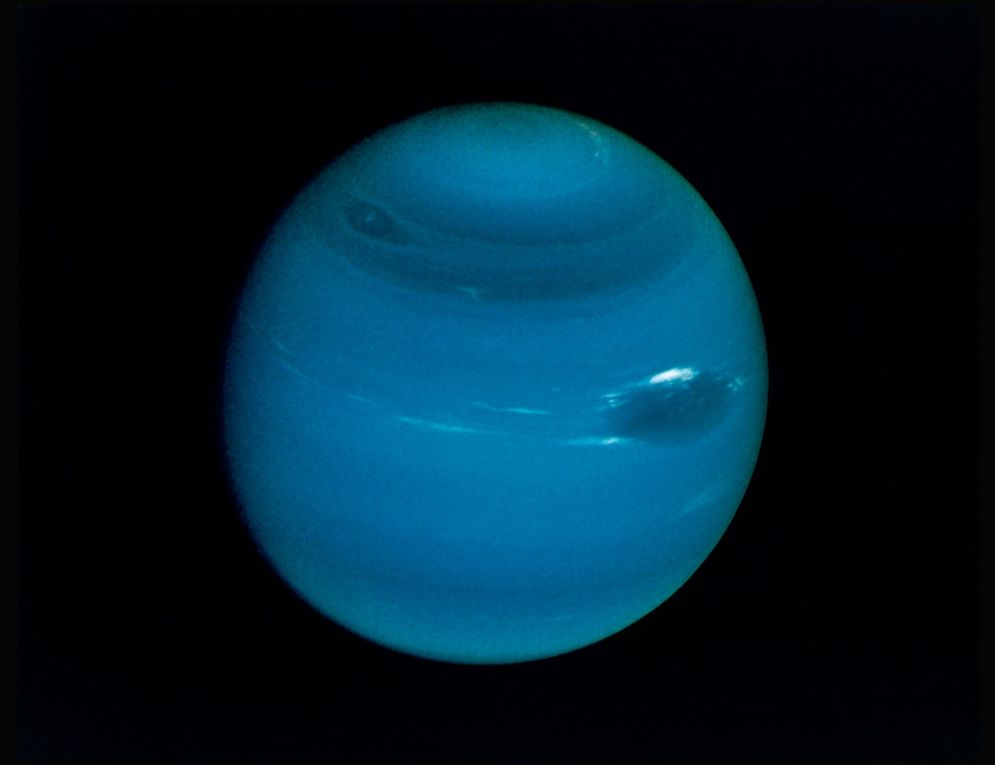
Best seen globally in dark-sky regions. Visible all night. Requires a telescope.
OCTOBER 21–22 – Orionids Meteor Shower
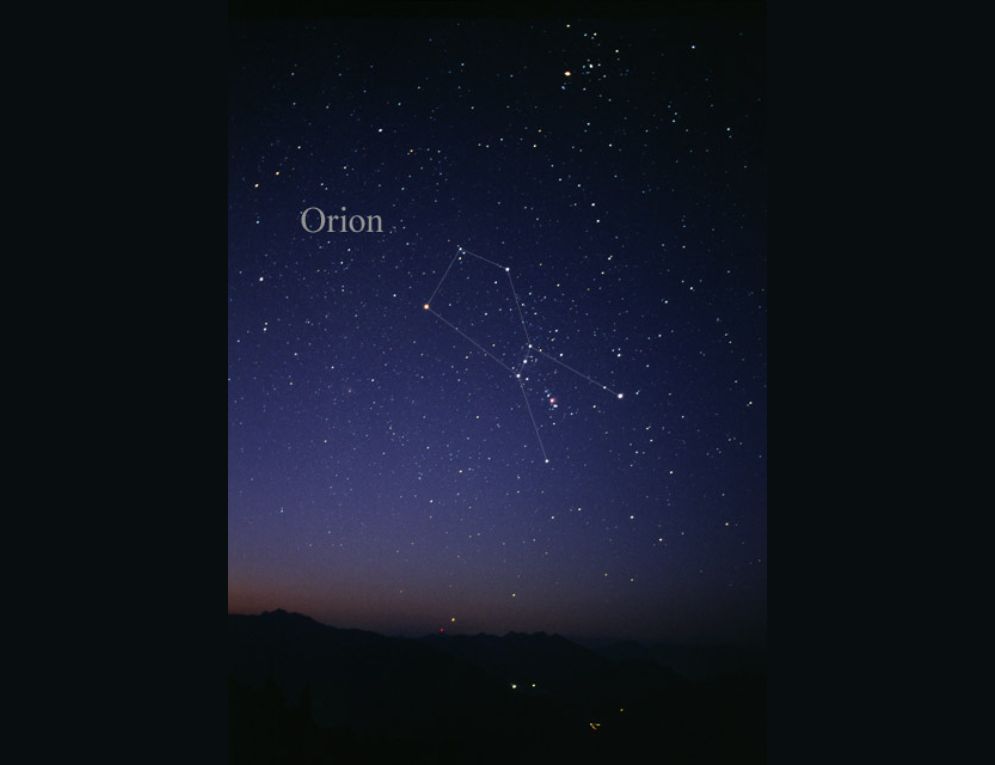
Visible worldwide. Best after midnight with moderate meteor rates.
NOVEMBER 17–18 – Leonids Meteor Shower

Visible globally. Best before dawn. Occasionally produces meteor storms.
DECEMBER 13–14 – Geminids Meteor Shower
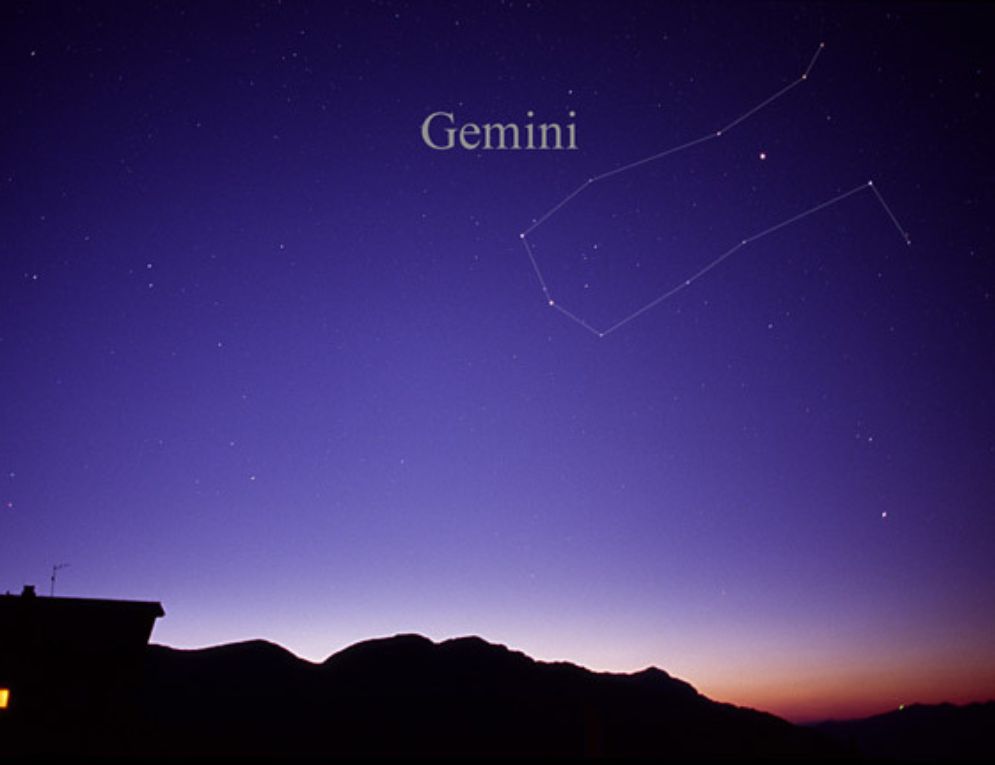
Strongest meteor shower of the year. Best in the Northern Hemisphere. Visible from evening to morning.
DECEMBER 24 – Christmas Supermoon
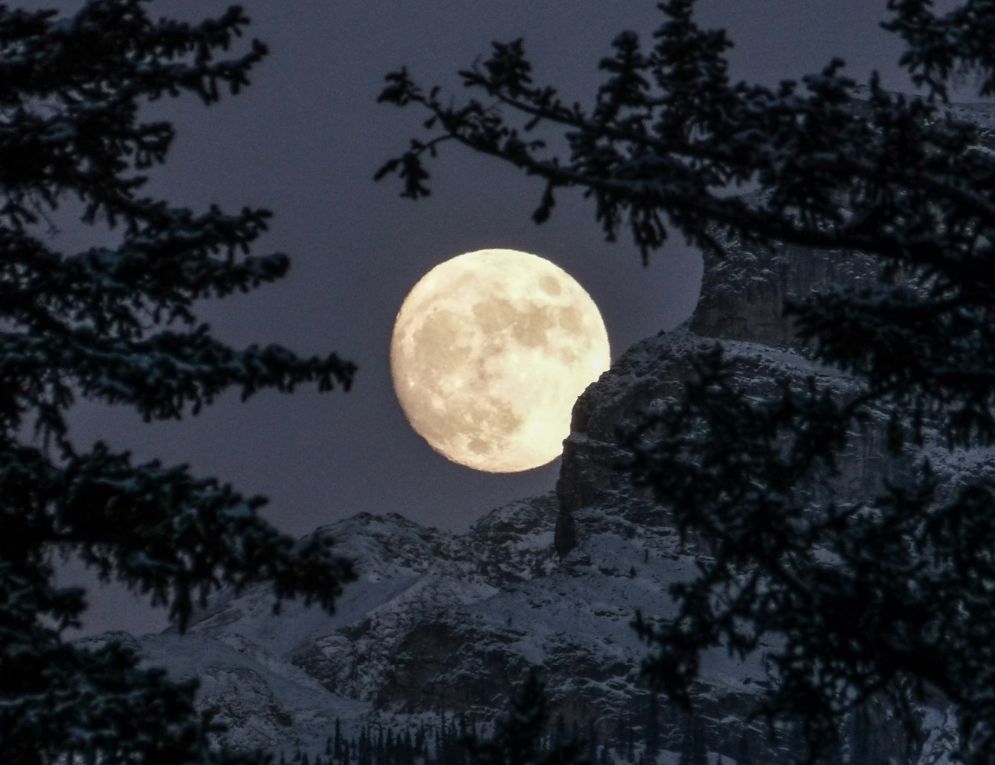
Visible worldwide. Best viewed at moonrise or moonset. No equipment required.
GENERAL VIEWING TIPS
Choose dark locations away from city lights. Allow eyes to adjust for 20–30 minutes. Use skywatching apps if needed. Lie down for meteor showers and enjoy wide sky views.
Leave a Reply